If you want more room to spread out without feeling cut off from the Portland metro, Clackamas County deserves a close look. For many buyers and sellers, the appeal is simple: you can find a more suburban pace while staying connected to work routes, everyday services, and some of the region’s best outdoor access. This guide will walk you through how Clackamas County feels, how housing patterns vary, and why rivers, trails, and mountain access are such a big part of life here. Let’s dive in.
Why Clackamas County Stands Out
Clackamas County covers 1,879 square miles, stretching from Mt. Hood to the Willamette River. The county describes itself as a mix of urban, suburban, rural, and wild communities, which is a helpful way to understand why it feels spacious without automatically feeling remote.
That range gives you options. Some areas are closely tied to Portland commuting and daily convenience, while others feel more open and recreation-oriented. If you are trying to balance space, access, and lifestyle, that mix is a big reason Clackamas County stays on so many buyers’ lists.
What “Suburban Space” Means Here
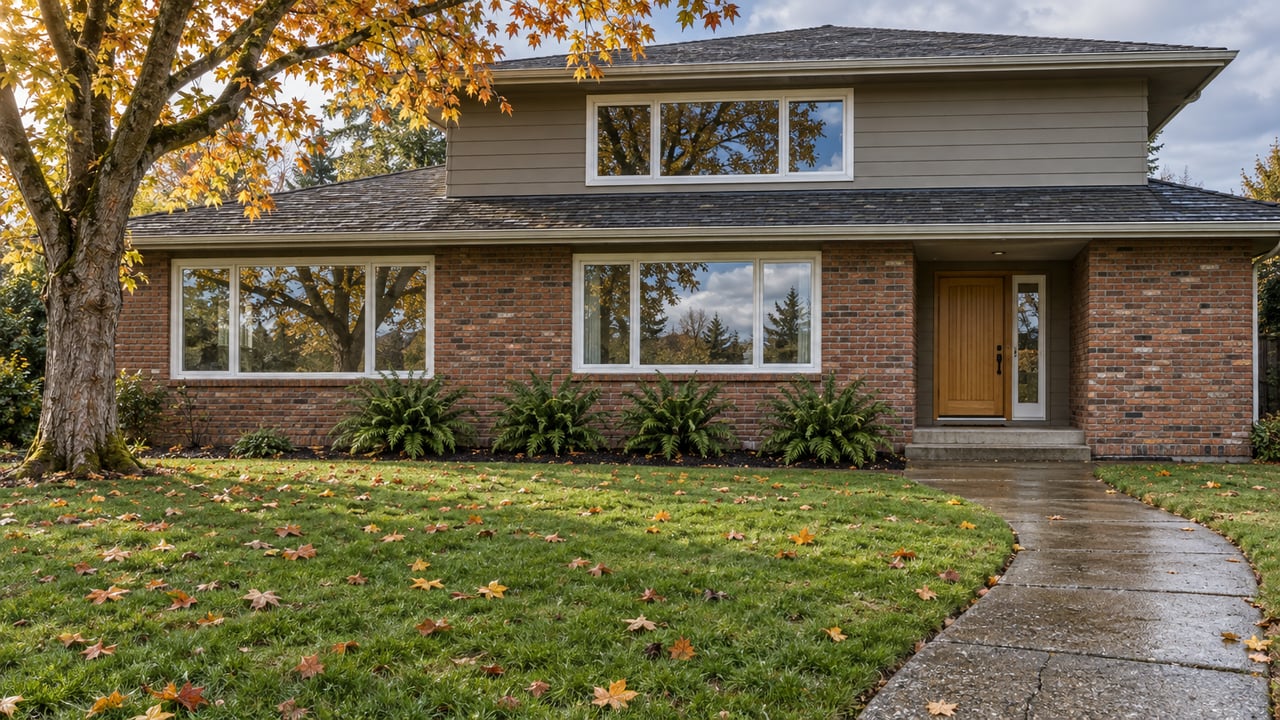
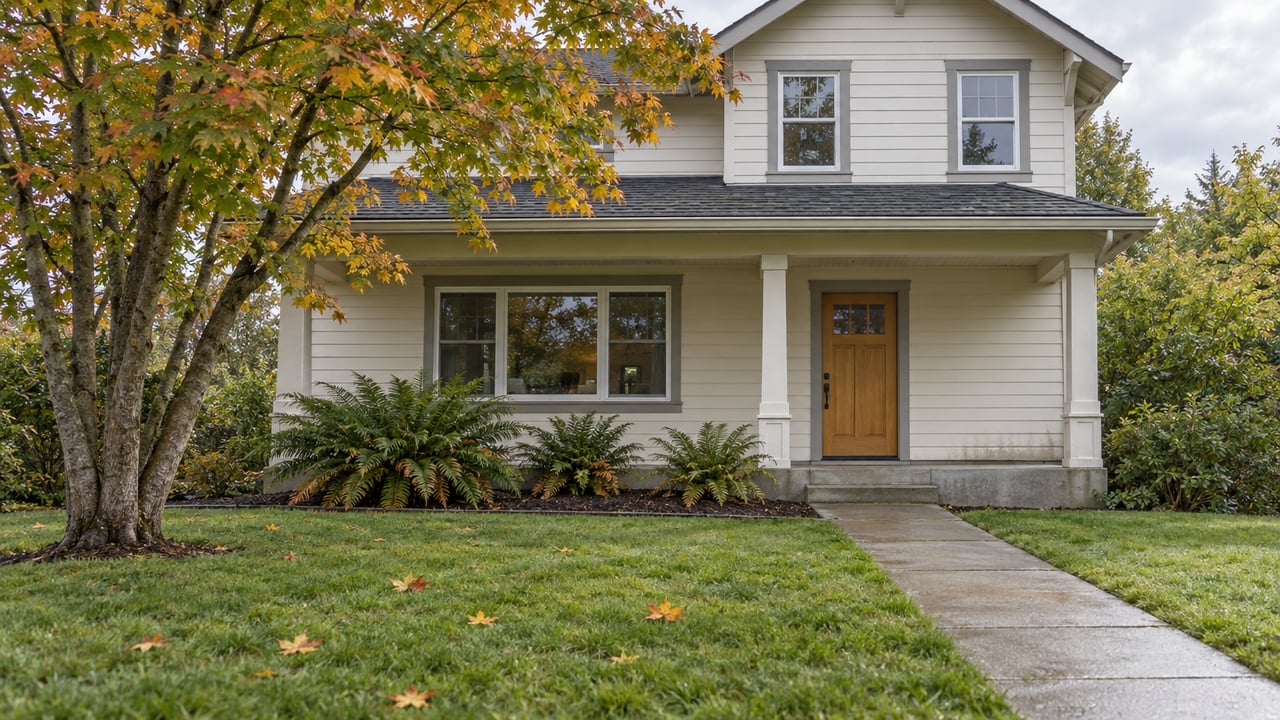
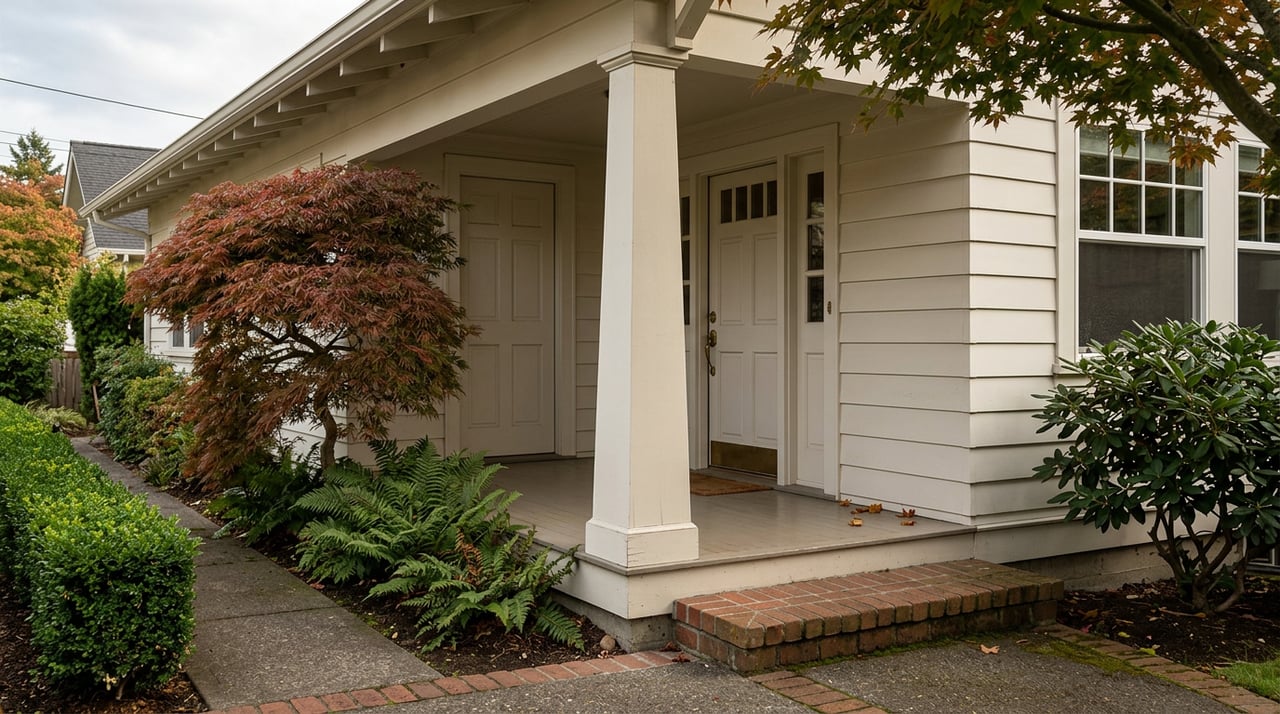
In practical terms, Clackamas County is not one uniform suburb. Its land use and housing plans support a patchwork of single-family neighborhoods, town centers, and rural edges, so the experience can change a lot depending on where you are looking.
The county’s planning framework shows that low-density residential areas are primarily intended for single-family residential and middle housing development. Lot sizes can range from 2,500 to 30,000 square feet depending on location and site conditions, which helps explain why many parts of the county feel less dense than inner Portland.
That does not mean every area is made up only of detached homes. In larger jurisdictions, state law requires duplexes, triplexes, quadplexes, cottage clusters, and townhouses to be allowed on certain urban lots that were once limited to single-family homes. So if you are house hunting in Clackamas County, you may see both classic suburban neighborhoods and more varied housing choices in urban areas.
Housing Choices Across The County
For buyers, this variety can be a real advantage. You may find neighborhoods with a traditional suburban feel, areas with townhomes and other attached options, or locations near rural edges that offer a different sense of openness.
For sellers, it helps to know that buyers are not all looking for the same thing. Some want yard space and a quieter residential setting, while others want a lower-maintenance home with easier access to transit or major roads. Understanding that difference matters when it is time to price, prepare, and market a property.
A few countywide numbers also help frame the market. Census QuickFacts report 178,737 housing units, a 70.7% owner-occupied housing rate, a median owner-occupied home value of $611,000, and a median gross rent of $1,758. Those figures point to a county with a strong ownership base and housing options that extend beyond dense rental living.
Commutes Depend On Where You Live
One of the biggest tradeoffs in Clackamas County is that commute patterns vary widely by area. That is important if you are weighing home size and outdoor access against daily drive time or transit convenience.
County transportation planning centers on major corridors like I-205, I-5, OR 212, OR 224, and OR 213. That means many daily trips are highway-oriented, especially for people commuting within the metro area or moving between suburban communities.
The county has also identified an I-205 bottleneck between Oregon City and the Stafford Road interchange as a transportation issue to study. For you as a buyer, that is a reminder that a map alone does not tell the whole story. A home that looks close on paper may feel different during rush hour.
Portland-Bound Transit Options
For some parts of the county, transit can be a meaningful part of the lifestyle. TriMet’s MAX Green Line connects Clackamas with East and Southeast Portland, Portland City Center, and Portland State University, with trains running every 15 minutes or less most of the day.
That makes the eastern side of the county especially notable for people who want a direct rail connection into central Portland. If your routine includes regular trips into the city, that kind of access may shape where you focus your search.
In the southwest part of the county, WES commuter rail serves Wilsonville, Tualatin, Tigard, and Beaverton on weekdays, generally every 45 minutes during morning and afternoon rush hours. It can be useful for regional commuting, though it is not the same as having a direct rail line into downtown Portland.
Outer Communities Feel Different
Clackamas County also supports rural transit providers including SCTD, SAM, CAT, SMART, and Mountain Express. That matters because life in the county’s outer areas often depends more on highways, local transit systems, and longer regional drives than on frequent metro rail service.
Countywide, the mean travel time to work is 26.5 minutes. That is only a general benchmark, but it supports the idea that Clackamas County often lives in the middle ground: more suburban than urban, but still tied to the broader metro economy.
Outdoor Access Is A Major Lifestyle Perk
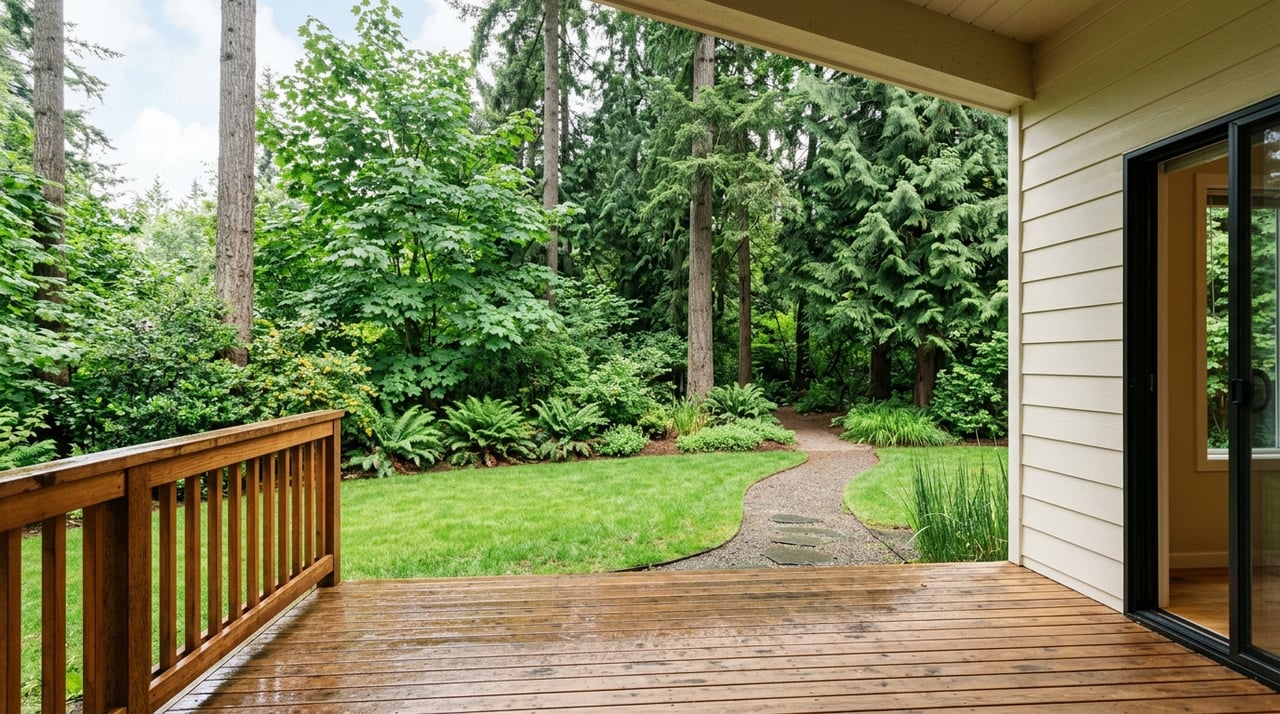
This is where Clackamas County really separates itself. The county’s geography includes the Willamette, Clackamas, Sandy, Molalla, and Salmon rivers, along with access to Mt. Hood and Mt. Hood National Forest. That combination makes outdoor time feel less like an occasional event and more like part of everyday life.
If you value the ability to get outside without planning a major trip, this county offers a strong case. You can live in a suburban setting and still stay close to river access, trails, forested areas, and larger weekend destinations.
Parks And River Access
Clackamas County Parks owns and operates 15 parks and 4 undeveloped properties totaling nearly 1,000 acres. The system includes 242 campsites, 11 picnic shelters, 7 water-access sites, and access to the Springwater Corridor Trail, with about 1.4 million visitors each year.
That is not just a nice extra. It is a meaningful part of how many residents use the county. Whether you enjoy picnics, camping, trail time, or getting onto the water, the park system adds real lifestyle value.
Several county parks highlight the area’s connection to rivers. Barton Park is on the Clackamas River and is known for camping, hiking, day-use amenities, and river recreation. Other examples include Carver Park on the Clackamas River, Eagle Fern Park along Eagle Creek, Ed Latourette Access on the Sandy River, Feyrer Park and Wagon Wheel Park on the Molalla River, and Hebb Park on the Willamette River.
Trails Add Everyday Flexibility
For many people, trails are just as important as parks. The Springwater Corridor is a scenic 21-mile paved trail running from downtown Portland to Boring, and it is popular with walkers, hikers, runners, cyclists, and horseback riders.
Because much of the paved route is separated from public roads, it is especially easy to use for routine recreation. That can make a difference if you want outdoor access that fits into normal weekdays, not just weekends.
Boring Station Trailhead Park is also part of a larger 40-mile loop tied to the Springwater Corridor. That wider network reinforces an important point: in Clackamas County, trail access is not only recreational, it also helps connect places across the region.
In the county’s northern suburban area, North Clackamas Parks & Recreation District serves more than 106,000 residents across 27 square miles. It operates 35 parks and natural areas, three trails and greenways, and the 6-mile Trolley Trail, adding another layer of neighborhood-scale access to outdoor space.
Weekend Recreation Is Close By
One of the most appealing things about Clackamas County is how quickly everyday suburban living can turn into a weekend outing. The county’s own overview points to forested parks, the Milwaukie Farmers’ Market, Willamette Falls, Trillium Lake, and the Oregon City Elevator as part of the local experience.
On the east side, the connection to mountain recreation feels even stronger. Mt. Hood National Forest covers 1.1 million acres and includes about 80 campgrounds and 20 sno-parks, helping explain why many residents see the county as a gateway to bigger outdoor adventures.
What Different Parts Of The County Feel Like
A simple way to think about Clackamas County is that it does not live the same everywhere. Northern communities tend to feel more tied to metro Portland, neighborhood parks, and daily commuting patterns.
Eastern and southern parts of the county often feel more oriented toward trails, river access, open space, and longer recreation-focused drives. Neither experience is better across the board. It depends on whether your top priorities are commute efficiency, lot size, access to amenities, or time outdoors.
How To Decide If Clackamas County Fits You
If you are considering a move here, it helps to think in terms of tradeoffs instead of broad labels. Clackamas County can offer more room than inner Portland, but your daily routine may look very different depending on the specific community.
Ask yourself a few practical questions:
- How important is a direct or easier route into Portland?
- Do you want a more traditional detached-home setting, or are you open to townhomes and other attached options?
- Would you use parks, trails, or river access regularly?
- Are you comfortable with a more highway-dependent routine in exchange for more space?
- Do you want your weekends to feel close to nature without a long drive?
Those answers can help narrow your search fast. They also help you avoid comparing homes that may look similar online but offer very different day-to-day lifestyles.
Why Local Guidance Matters
In a county this varied, good real estate guidance is not just about square footage or price. It is about helping you weigh commute patterns, neighborhood feel, housing type, property condition, and the lifestyle you actually want.
If you are buying, that means staying clear on your budget and focusing on the places that fit your routine. If you are selling, it means understanding what local buyers value in your specific part of the county and preparing your home accordingly.
That kind of steady, local perspective can make the process feel a lot less overwhelming. And when the goal is to make a smart move, calm clarity usually beats guesswork.
If you are exploring a move to Clackamas County, Shey Gladstone can help you think through the tradeoffs, understand the market, and build a plan that fits your goals.
FAQs
What is Clackamas County like for homebuyers who want more space?
- Clackamas County offers a mix of suburban, urban, rural, and wild communities, with many low-density residential areas that support a less dense feel than inner Portland.
What types of housing are common in Clackamas County?
- The county includes many single-family residential areas, along with middle housing such as duplexes, triplexes, quadplexes, cottage clusters, townhouses, and other mixed urban options.
What is commuting like from Clackamas County to Portland?
- Commutes are often corridor-based and highway-oriented, especially along I-205, I-5, OR 212, OR 224, and OR 213, while some eastern areas also benefit from MAX Green Line access into Portland City Center.
What outdoor amenities does Clackamas County offer residents?
- Residents have access to county parks, river recreation, campsites, picnic areas, water-access sites, paved regional trails, neighborhood park systems, and nearby mountain recreation tied to Mt. Hood.
What trail access is available in Clackamas County?
- The county includes access to the 21-mile Springwater Corridor, Boring Station Trailhead Park’s larger loop connection, and in the northern area, the Trolley Trail and other local greenways through North Clackamas Parks & Recreation District.
Is Clackamas County the same throughout the area?
- No. Northern communities tend to be more connected to metro commuting and neighborhood park networks, while eastern and southern areas often feel more focused on open space, trails, rivers, and destination recreation.