If you are thinking about selling in Beaverton, you cannot count on the market to do all the work for you. Homes are still moving, but buyers also have more options than they did a year ago, which means condition, presentation, and first impressions matter. The good news is that getting your home ready does not have to mean a full renovation. With the right plan, you can focus on the updates that help your home show well, photograph well, and feel easy for buyers to say yes to. Let’s dive in.
Why prep matters in Beaverton
Beaverton remains an active market, but it is not a market where you want to skip the basics. March 2026 snapshots showed median days on market around 35 to 41 days, a sale-to-list ratio of 100%, and year-over-year inventory growth of 15.44%.
That combination matters. Buyers are still purchasing homes, but they also have more listings to compare. If your home feels cleaner, brighter, and more move-in ready than the competition, you give yourself a better chance to stand out from the first online photo through the first showing.
There is another important local factor. Beaverton has a wide price spread by ZIP code, with median listing prices ranging from about $375,000 in 97006 to about $599,000 in 97007. That is a helpful reminder that your prep budget should fit your home’s likely price band, condition, and submarket, not a one-size-fits-all checklist.
Start with the right prep mindset
The goal of seller prep is not to make your home look expensive. The goal is to make it feel clean, cared for, functional, and easy for buyers to picture as their next home.
That usually means focusing on simple, proven steps:
- Clean deeply
- Declutter thoroughly
- Repair visible issues
- Depersonalize key spaces
- Use a neutral, bright look where needed
- Tidy the exterior for stronger curb appeal
This approach lines up well with current market conditions in Beaverton. When buyers have choices, reducing friction matters.
Focus on what buyers notice first
If your time or budget is limited, do not try to perfect every corner of the house at once. Start with the areas that tend to shape buyer impressions the fastest.
Staging guidance points to a few rooms that typically have the biggest impact:
- Living room
- Primary bedroom
- Dining room or dining area
- Office or flex space
These are the spaces where buyers often try to imagine daily life. If they feel open, calm, and functional, your home can feel more inviting overall.
Living room priorities
Your living room should feel open and easy to move through. Remove extra furniture, simplify decor, and create clear sightlines so the room looks larger and more usable.
Keep styling minimal. A few clean accents work better than crowded shelves or bold personal collections.
Primary bedroom priorities
The primary bedroom should feel restful and uncluttered. Fresh bedding, neutral colors, and cleared nightstands can go a long way.
If the room feels tight, remove bulky pieces that are not essential. Buyers tend to respond better to a room that feels spacious than one that feels fully furnished.
Dining and flex space priorities
Dining areas and office or bonus spaces help buyers understand how the home functions. If you have a flex room, stage it with a clear purpose instead of leaving it vague or overstuffed.
That does not mean you need custom furniture. It simply means helping buyers see the room’s potential at a glance.
Tackle the high-impact basics first
Before you think about decorative touches, handle the simple items that can make a home feel neglected. These are often affordable fixes, but they can have a big effect on photos and showings.
A smart first pass includes:
- Deep cleaning the whole home
- Cleaning windows and screens
- Replacing burned-out light bulbs
- Touching up or repainting walls with brighter neutral paint where needed
- Fixing sticky doors
- Replacing torn screens
- Repairing cracked caulking
- Addressing dripping faucets
These issues may seem small when you live with them every day. To buyers, though, they can add up quickly and create doubt about overall maintenance.
Improve curb appeal without overdoing it
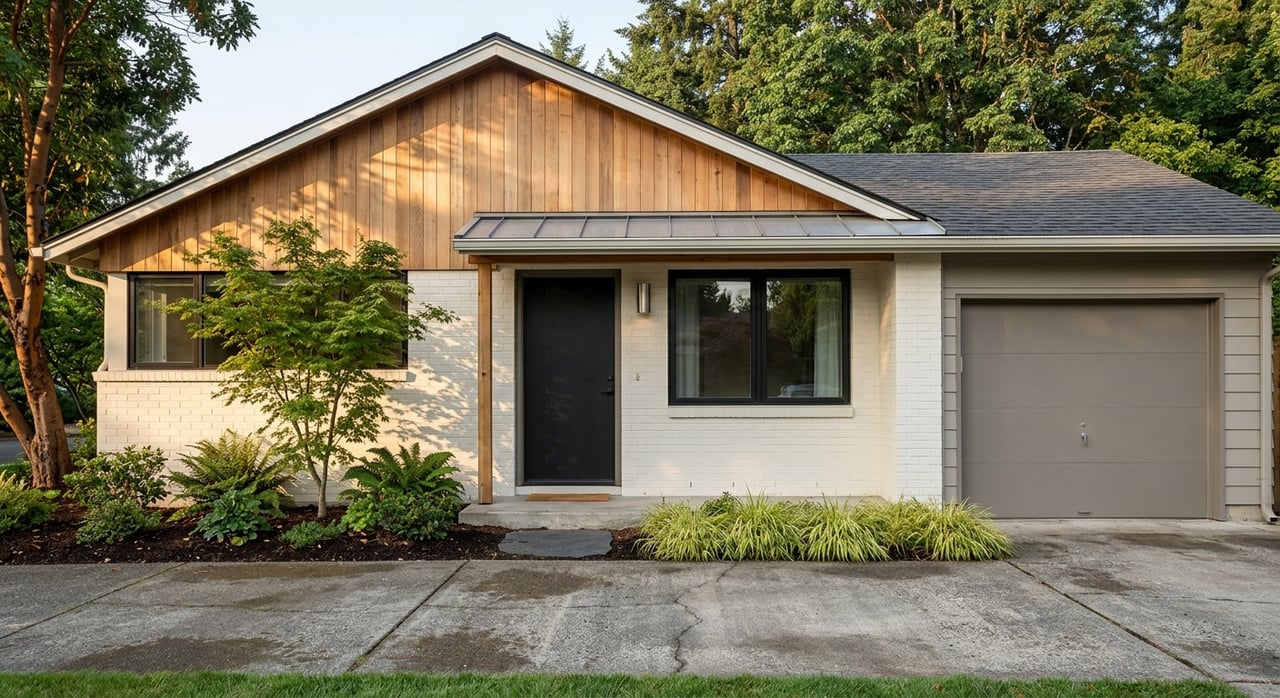
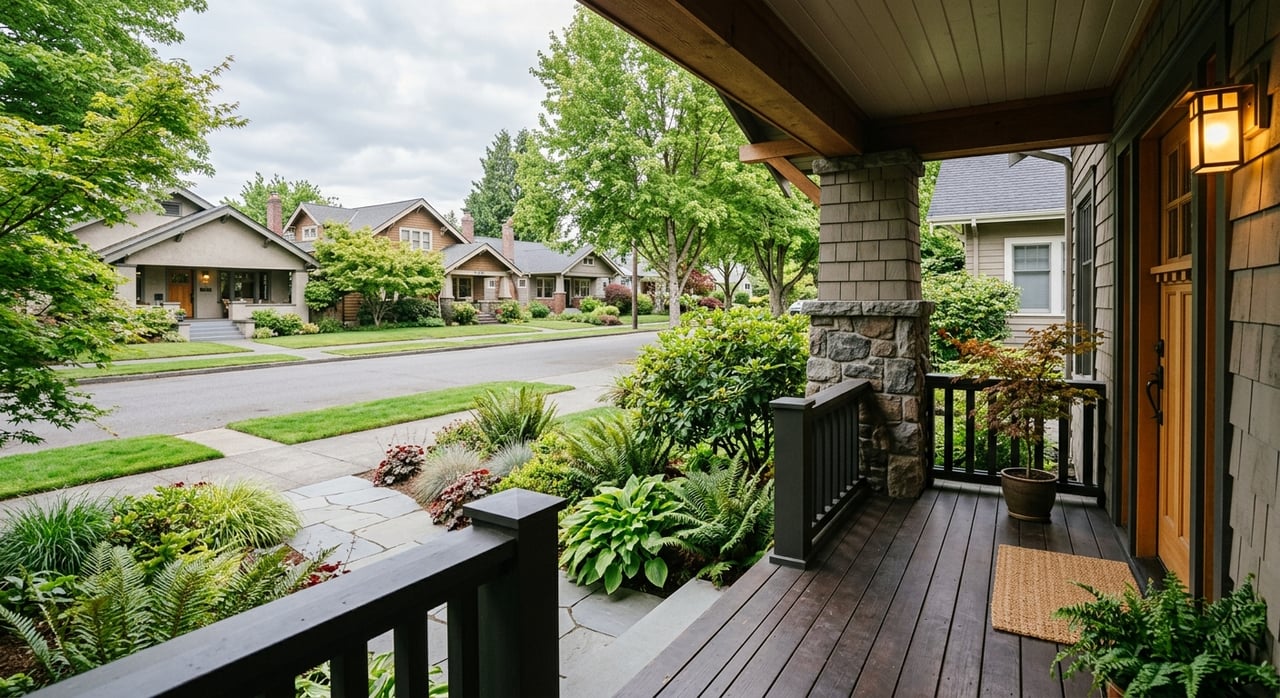
Your exterior sets the tone before buyers even walk inside. In a market where homes may sit for five to six weeks, first impressions still matter.
Simple outdoor prep can make a meaningful difference:
- Mow the lawn
- Rake leaves and debris
- Trim shrubs and trees
- Edge walkways
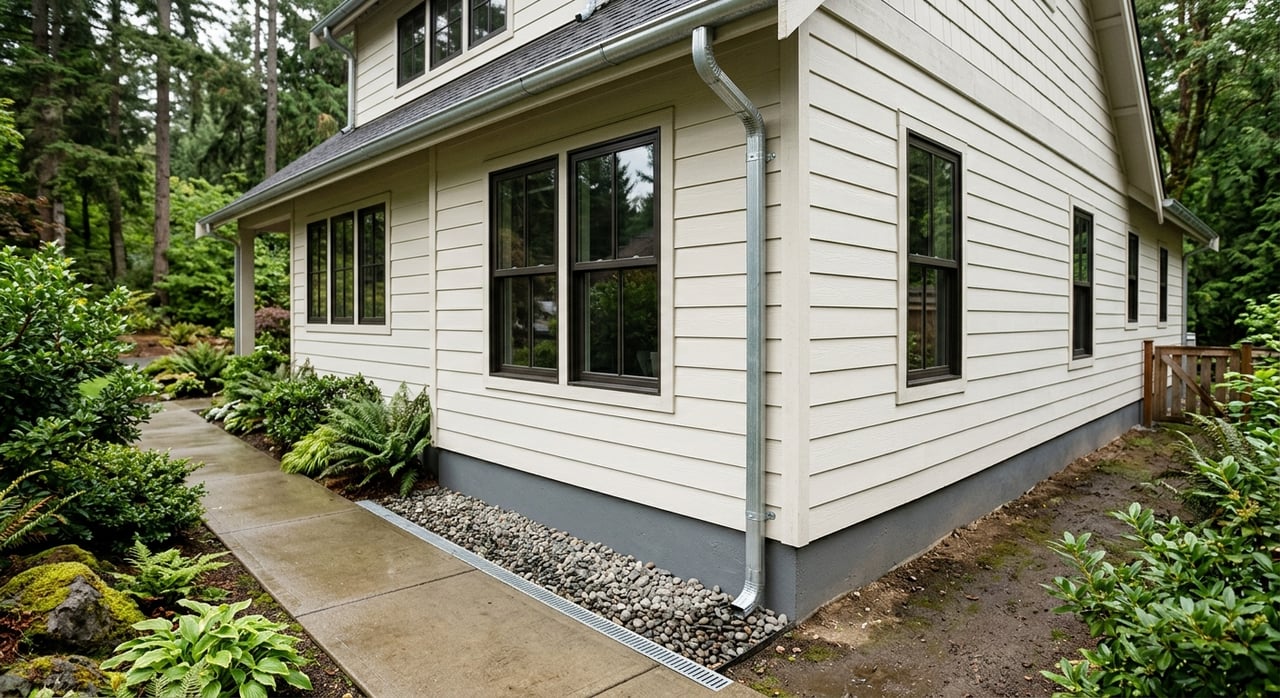
- Clean gutters
- Add a simple planter or flowers near the entry
You do not need a major landscape project for this to work. A neat, tidy exterior signals that the home has been cared for.
Keep staging simple and neutral
Staging does not have to mean hiring a designer and replacing everything you own. At its core, staging is about helping buyers visualize living in the home.
That is why the most effective moves are often the simplest ones:
- Pack away personal photos and highly specific decor
- Reduce bulky furniture
- Use fresh towels and bedding
- Clear counters and surfaces
- Organize closets so they look less full
- Add light, simple accents instead of heavy decor
Industry staging guidance reports that 83% of buyers’ agents say staging makes it easier for buyers to visualize a property as a future home. That is a strong reason to treat staging as a practical selling tool, not just a cosmetic extra.
There is also evidence that staged homes can create stronger interest. More than a quarter of real estate professionals reported staged sellers’ homes receiving 1% to 10% more in offered dollar value, and about half reported a shorter time to sell.
Match your budget to your Beaverton submarket
One of the biggest mistakes sellers make is over-improving without thinking about their likely buyer and price range. Because Beaverton has a meaningful spread in listing prices by ZIP code, your best prep plan should be tailored to your home, not copied from a higher-priced listing across town.
That means asking practical questions like:
- What condition issues will buyers notice right away?
- What fixes will show up clearly in photos?
- Which updates support the home’s likely price point?
- Where would spending more bring little return?
A calm, local strategy usually beats a rushed renovation plan. In many cases, clean presentation, light repairs, and thoughtful staging do more than expensive upgrades that do not fit the home’s market position.
Know the Oregon rules before repairs
If you are planning repairs or cosmetic upgrades before listing, timing matters. In Oregon, permits are required for all new construction and for many structural, plumbing, mechanical, and electrical alterations.
In Beaverton, building work routes through the city’s local building process. If you are considering work that may involve code or permit questions, it is wise to check that early rather than late.
Contractor licensing matters too. Oregon advises that contractors doing home improvement work generally need proper licenses, and electrical or plumbing work requires both a CCB license and the appropriate electrical or plumbing license.
A safe vendor workflow looks like this:
- Get bids first
- Verify the contractor’s license before work begins
- Put the scope in writing
- Document any change orders
Oregon’s Construction Contractors Board also recommends getting more than one bid and putting agreements over $2,000 in writing. If you know your home needs repairs, start sooner so you are not scrambling to compare pricing, scope, and scheduling all at once.
Plan ahead for disclosure and older homes
If you own an older home, begin the prep conversation earlier. Oregon’s seller disclosure form is based on your actual knowledge, and buyers are advised to use qualified specialists if they want deeper inspection.
For most pre-1978 homes, federal lead-based paint rules can also affect your prep timeline. Sellers of most pre-1978 housing must disclose known lead-based paint information, and buyers must receive a 10-day opportunity to test for lead hazards.
This does not mean every older home is difficult to sell. It simply means older homes often benefit from earlier planning, especially if there are visible condition issues, aging systems, or repair decisions that could affect timing.
Use a realistic prep timeline
If you are balancing work, family, pets, and a future move, a timeline can lower stress and help you make better decisions. A simple sequence is to identify repairs first, line up bids and permits early, complete repairs next, then clean, declutter, stage, and prepare for photos.
8 to 12 weeks before listing
Walk through your home room by room and note what truly needs attention. Request two to three bids for larger items, and confirm whether any work requires a permit or licensed trade.
This is also the right window to think carefully about budget. Focus first on issues that affect safety, function, first impressions, or visible condition.
4 to 6 weeks before listing
Complete repairs and updates, especially the ones buyers will notice right away. Paint touch-ups, caulking, lighting improvements, and exterior maintenance are all good priorities in this phase.
Try to finish these projects before you start final staging. That keeps your prep process more efficient and less chaotic.
2 to 3 weeks before listing
Deep clean the home and begin packing away excess belongings. Reduce closet fullness, clear surfaces, and stage the living room, primary bedroom, dining area, and any office or flex space.
This is often the stage where the home starts to feel truly market-ready. Photos usually go better when clutter is already under control.
Final week before listing
Do one last exterior tidy-up and make a plan for daily showing readiness. Hide valuables and personal items, arrange pet logistics, and keep the home as calm and clean as possible.
This final stretch is about consistency. Once your home is live, the goal is to keep it looking just as strong for the tenth showing as it did for the first.
Final thoughts on preparing to sell in Beaverton
In today’s Beaverton market, thoughtful prep is not about perfection. It is about helping buyers feel confident in what they see and making it easy for them to connect with your home.
The right plan usually starts with honest priorities, a realistic budget, and a clear timeline. If you focus on clean presentation, smart repairs, and the rooms that matter most, you can put your home in a stronger position without making the process more complicated than it needs to be.
If you want a steady, local plan for getting your home market-ready in Beaverton, Shey Gladstone can help you think through timing, prep priorities, and trusted next steps.
FAQs
What seller prep matters most for a Beaverton home?
- The highest-impact prep usually includes deep cleaning, decluttering, minor repairs, neutralizing key rooms, and improving curb appeal so the home feels bright, cared for, and move-in ready.
What rooms should you stage first in a Beaverton home sale?
- If you cannot stage every room, start with the living room, primary bedroom, dining area, and any office or flex space because those rooms often shape buyer impressions the most.
How early should you start preparing your Beaverton home for the market?
- A practical timeline is to start 8 to 12 weeks before listing so you have time to identify repairs, collect bids, check permit needs, complete updates, and then clean and stage without rushing.
What repairs should you make before listing a home in Beaverton?
- Start with visible, high-impact items such as paint touch-ups, cracked caulking, sticky doors, torn screens, dripping faucets, burned-out bulbs, and exterior maintenance that affects first impressions.
What Oregon contractor rules should sellers know before pre-listing work?
- Sellers should verify contractor licenses, get more than one bid when possible, put agreements over $2,000 in writing, and confirm early whether planned work requires permits or licensed electrical or plumbing trades.
What should sellers of older Beaverton homes know before listing?
- Older homes may need earlier planning because Oregon disclosures are based on the seller’s actual knowledge, and most pre-1978 homes also require lead-based paint disclosures and a 10-day opportunity for buyers to test for lead hazards.