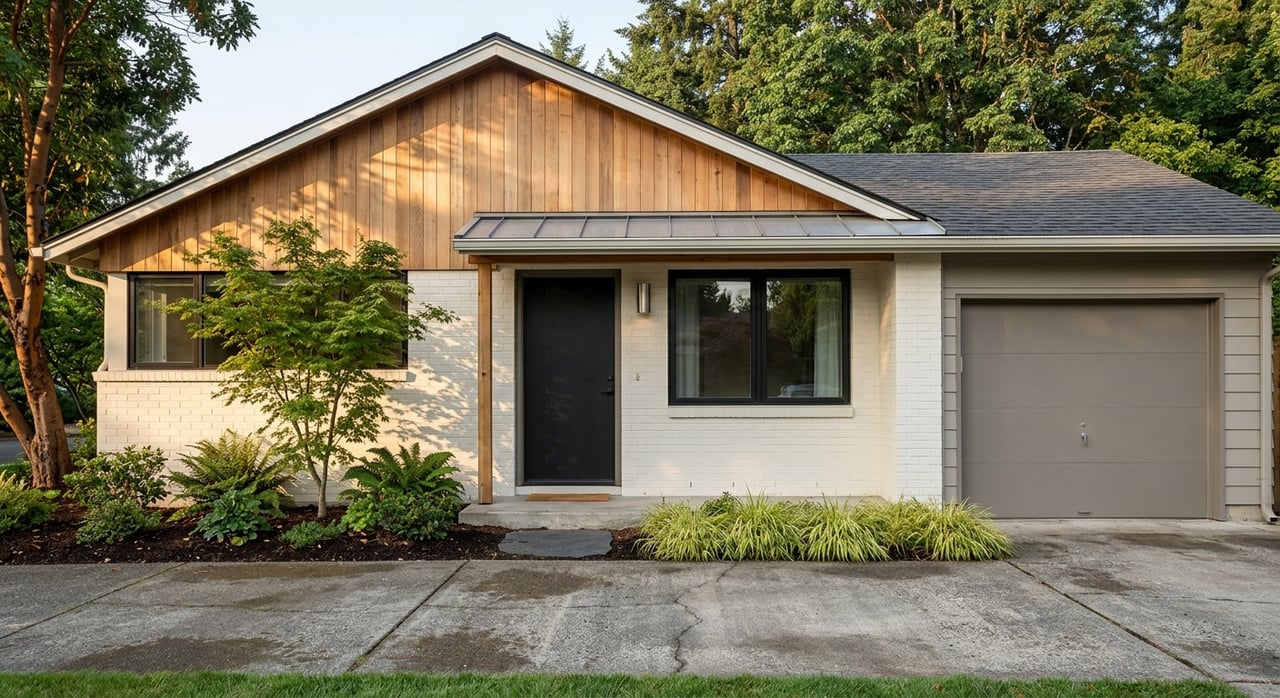
Pricing a home in Portland is not about picking the biggest number and hoping the market agrees. In today’s market, buyers are still active, but they are also more price-aware and quicker to pass on a home that feels overpriced. If you want to sell with confidence, the right pricing strategy can help you attract stronger interest, protect your time on market, and avoid preventable price cuts. Let’s dive in.
Portland Pricing Starts With Today’s Market
Portland is still giving well-positioned sellers solid opportunities. In March 2026, Redfin reported a median sale price of $525,000 in Portland, with homes selling in about 19 days on average and receiving 3 offers on average. The average sale-to-list ratio was 100.6%, and 38.4% of homes sold above list price.
At the same time, the market is not as forgiving as it was during the hottest seller years. Realtor.com’s April 2026 Portland report showed a median list price of $499,750, a typical 46 days on market, and nearly one in four active listings with a price cut. That split tells you something important: buyers will reward the right price, but they are pushing back on homes that miss the mark.
What That Means for Sellers
You can still create strong demand in Portland, but you need a price that feels credible from day one. A home that enters the market at the right number may attract fast attention and even multiple offers. A home that starts too high can lose momentum quickly and end up chasing the market down.
This is why pricing should be treated like a strategy, not a guess. In a market with both above-list sales and frequent price reductions, your opening price matters more than ever.
Build Price Around Real Comparables
A strong pricing strategy starts with a comparative market analysis, or CMA. That means looking closely at recent similar sales, current active competition, and homes that are already pending. The goal is to understand where buyers are actually saying yes right now.
That last part matters. You are not trying to justify the highest possible number based on the best sale you can find. You are trying to identify the most realistic price band for your home’s size, condition, features, and location within Portland.
Focus on the Most Relevant Data
The most helpful comparables are usually the homes that are most similar to yours and sold recently in your area. Your strategy should also account for what buyers can choose instead today. If your home is priced above stronger competing listings, buyers may simply move on.
This is especially important in a market where about 24% of listings across the Portland metro were carrying price cuts in April 2026. When buyers have options, overpricing tends to stand out fast.
Pricing Should Be Documented
In Oregon, recordkeeping guidance expects listing files to show how the price was established, such as through a CMA, appraisal, assessed value, or owner input, along with the reason for any later price change. For you as a seller, that is a helpful mindset. Your list price should come from a clear process, not from emotion or guesswork.
That kind of discipline often leads to better decisions. It gives you a framework for launching well and adjusting quickly if the market response is weaker than expected.
Avoid the “List High and Negotiate” Trap
It is tempting to aim high and assume you can always come down later. In Portland’s current market, that approach can backfire. While some homes still sell above list, local data also show longer market times and a meaningful share of listings reducing price.
When a home is priced too high at launch, buyers may not even come see it. That can lead to fewer showings, less competition, and a stale listing before you ever get to negotiation.
Why the First Price Matters So Much
Your first days on market are often your best opportunity to create urgency. Redfin reports that hot homes in Portland can go pending in around 5 days and sell about 3% above list. That kind of response usually happens when the home hits the market at a price that feels aligned with buyer expectations.
Once a listing lingers, buyers may assume something is wrong, even when the main issue is just pricing. A later price reduction can help, but it does not always restore the same excitement you could have had with a sharper launch.
Condition Shapes Your Pricing Power
Price and condition go hand in hand. Buyers do not evaluate your home as a future project in their imagination alone. They evaluate what they can see, what they learn through disclosures, and what may come up during inspection.
In Oregon, sellers generally must provide a seller’s property disclosure statement to buyers who make a written offer, based on the seller’s actual knowledge of the property. That means visible issues and known concerns are likely to surface during the transaction. Pricing should reflect the home you are actually delivering.
Price the Home You Have
If your home is clean, well-maintained, and presented well, you may have more pricing power. If it has deferred maintenance, dated finishes, incomplete projects, or obvious wear, buyers may factor those costs and hassles into what they are willing to pay.
That does not mean you need to renovate everything before listing. It does mean you should be honest about how condition affects buyer demand and adjust your strategy accordingly.
Presentation Can Support a Stronger Result
NAR’s 2025 staging research found that 83% of buyers’ agents said staging made it easier for buyers to visualize a property as their future home. It also found that 29% of agents said staging led to a 1% to 10% increase in the dollar value offered, while 49% of sellers’ agents said staging reduced time on market.
Even if you do not fully stage the home, the basics matter. Decluttering, correcting noticeable faults, and improving overall presentation can make your asking price feel more supported.
Use a Smart Preparation Plan
Before you list, it helps to separate high-impact prep from low-return projects. A calm, practical plan can help you spend wisely and avoid over-improving.
Here are a few areas worth reviewing before pricing your Portland home:
- Visible maintenance issues
- Paint, flooring, and general cleanliness
- Decluttering and furniture layout
- Light fixtures and curb appeal
- Small repairs buyers will notice quickly
- Any condition items likely to come up in disclosure or inspection
If you are unsure what matters most, a preparation strategy with trusted vendor coordination can save time and reduce stress. Often, a few targeted updates do more for your sale than a long list of expensive projects.
Match the Price to Your Timeline
Your ideal pricing strategy also depends on your goals. If you need a faster move, a more competitive list price may make sense. If you have more flexibility, you may have room to test the market carefully, but in Portland right now, that still needs to be done with discipline.
NAR’s pricing guidance notes that seller timeline should influence asking price. That fits the current local market. Portland is still active, but it is more sensitive to overpricing than to optimistic expectations.
Questions to Ask Yourself
Before setting a list price, ask:
- How quickly do I want or need to sell?
- Am I prepared for the home to sit if we test too high?
- Is the home truly market-ready for the price I want?
- How does my home compare with current competition, not just past sales?
Clear answers to those questions can help you choose a price that fits both the market and your next move.
Watch Early Signals After Launch
Once your home hits the market, the response will tell you a lot. Showings, buyer feedback, online interest, and how quickly comparable homes go pending all provide clues. If the activity is weaker than expected, it may be time to reassess.
In a market where the typical Portland home spent 46 days on market in April 2026 and nearly one in four active listings had a price cut, waiting too long can work against you. A quick, thoughtful adjustment is often better than letting the listing grow stale.
Signs Your Price May Need Adjustment
Pay attention if you notice:
- Very few showings in the first days or weeks
- Repeated feedback that the price feels high
- Comparable listings going pending while yours stays active
- Strong online views but limited in-person interest
- No offers despite solid presentation
A price change should not feel like failure. It should feel like a strategic response to real-time market feedback.
The Best Pricing Strategy Is Honest and Local
The strongest sellers in Portland are not just aiming high. They are reading the market clearly, preparing their homes thoughtfully, and pricing based on real buyer behavior. That approach gives you a better chance to attract attention early, negotiate from a position of strength, and move forward with fewer surprises.
If you want a steady, data-informed plan for pricing and preparing your Portland home, working with someone who knows the local market and will tell you the truth can make all the difference. If you’re ready for that kind of guidance, connect with Shey Gladstone for a thoughtful, practical selling strategy.
FAQs
Is Portland still a good market for selling a home?
- Yes. Portland still has active buyer demand, with Redfin reporting 3 offers on average and a 19-day average market time in March 2026, but buyers are more price-sensitive and many listings still need price cuts.
Should I price my Portland home above market value to leave room for negotiation?
- In the current Portland market, that can be risky. Local data show buyers are responding to well-priced homes and pushing back on listings that start too high.
How important is home condition when pricing a Portland listing?
- Condition matters a lot because buyers evaluate what they can see, what is disclosed, and what may come up during inspection. Deferred maintenance or dated presentation can limit pricing power.
Does staging help when selling a home in Portland?
- It can. NAR’s 2025 staging research found that staging helped buyers visualize the home, and many agents reported reduced time on market and stronger offers.
When should I reduce the price on my Portland home?
- You should consider it early if showings are light, feedback points to price, or comparable homes are moving while yours is not. Early adjustments are often more effective than waiting too long.
What should be used to price a home in Portland accurately?
- A strong pricing strategy should use a comparative market analysis based on recent similar sales, pending homes, active competition, the home’s condition, and your timeline as a seller.